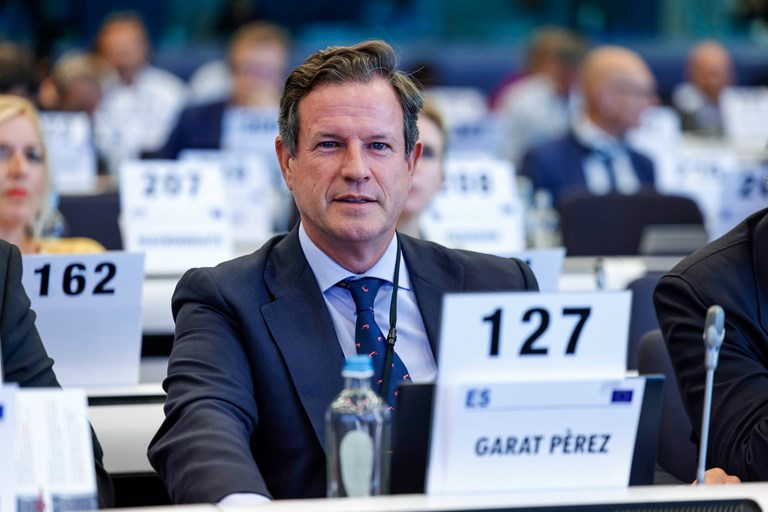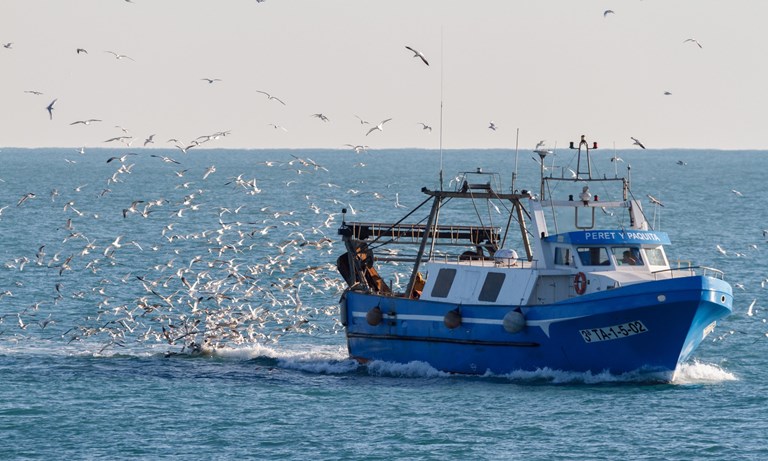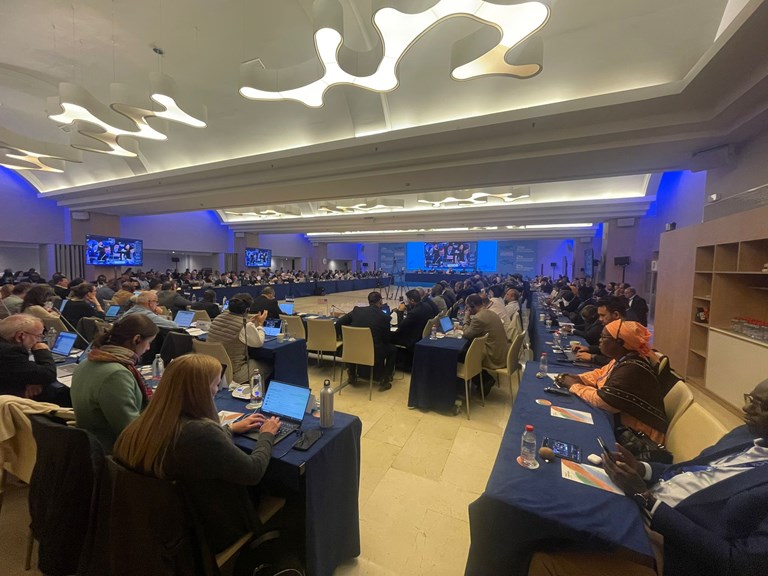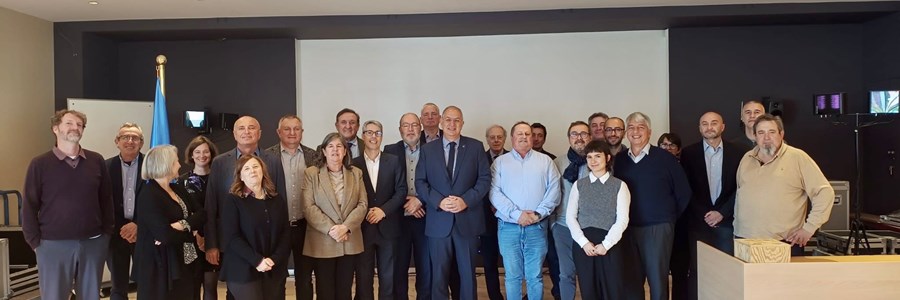
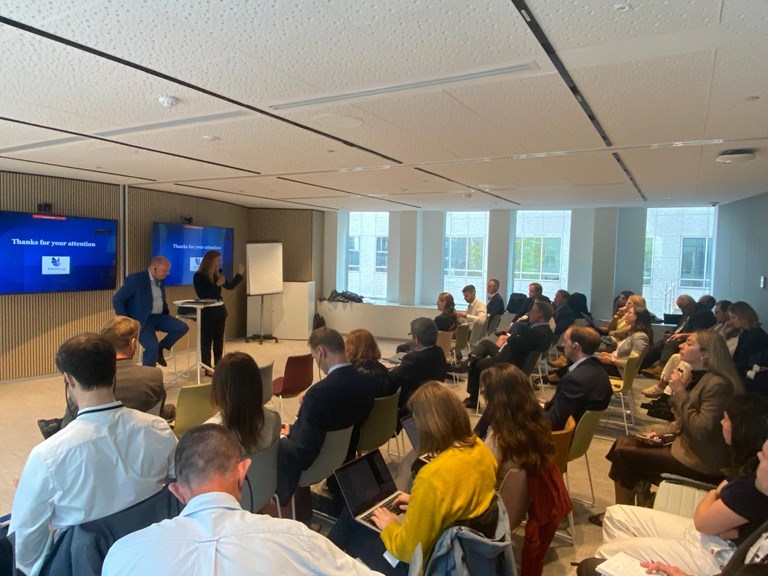
The MarInnLeg Foundation has released a new report entitled “Diagnosis of Blue Interest Groups”, presented at the European Parliament during the event “Financing of Civil Society Actors in Fisheries: Who Pays the Bill?”, hosted by the EPP Group. The report compiles publicly available data on the so-called “Blue Interest Groups” that influence the development of EU fisheries policies. Its objective, to clarify whom these groups represent, the interests they promote and the financial resources they manage. The report highlights concerns regarding the transparency of funding sources and the potential influence of broader geopolitical interests in some conservation-focused organisations.
The study seeks to shed light on the funding sources of the groups analysed, particularly in light of the recent European Court of Auditors Special Report 11/2025: ‘Transparency of EU Funding to NGOs.’ Its findings are consistent with those of the Court, pointing to persistent gaps in transparency and raising concerns about the traceability and ultimate use of substantial financial flows.
According to the report, while industry-based interest groups—such as fisheries associations and value-chain organisations—generally present clear and identifiable funding sources, more could be done to improve public accessibility to this information. In contrast, numerous environmental EU NGOs show a certain level of opacity in their financial structures.
A key concern identified is the use of legal mechanisms such as donor-advised funds and donor-restricted funds—commonly used in the United States, the United Kingdom and Germany. These instruments allow for the accumulation and distribution of large sums—often hundreds of millions of dollars—without disclosing the end-use or timeline for deployment. These tools hinder traceability and benefit from tax derogations.
The report highlights the difficulty in identifying not only the origin of the funding for certain advocacy actions, but also the underlying motivations. While the interests of fisheries-sector stakeholders are largely known—seeking environmental, economic, and social sustainability for their communities—the real agendas behind some environmental lobby groups remain unclear.
The report notes that several large technology and fossil fuel companies appear as indirect financiers of some conservation-focused NGOs. Although seemingly unrelated to the marine environment, these companies often have overlapping interests in ocean spaces through activities like deep-sea mining. This sector, essential for sourcing minerals used in high-tech manufacturing, requires access to marine zones traditionally used for fishing—potentially setting the stage for conflicting uses of ocean resources.
In this context, the report warns that the debate is no longer only about transparency and governance. It reveals the growing convergence of geopolitical strategies and private economic interests in marine spaces.
Daniel Voces, managing director of Europêche, declared: ‘It is crucial to verify whether donations from major non-EU foundations and philanthropic organisations come with strings attached—such as campaigning against specific fishing gears or fleets, or pushing for the establishment of no-take marine protected areas.’ He added: ‘The EU must adopt more robust safeguards to identify the true interests behind such funding and ensure that non-EU agendas are clearly and transparently recognised within the EU’s policy-making process.’
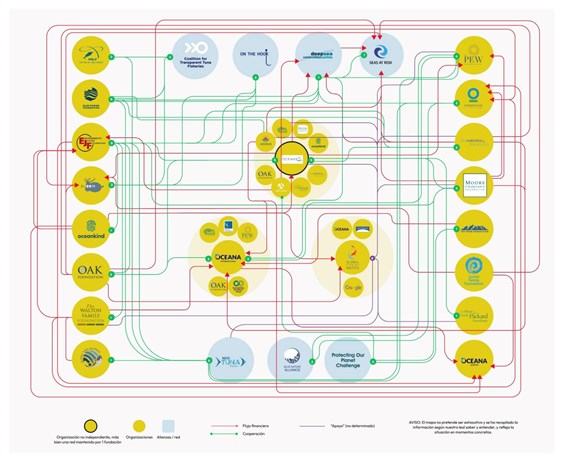
ANNEX – Mapping NGO financial flow
Press Contact:
Daniel Voces de Onaíndi, Managing Director of Europêche | Email: daniel.voces@europeche.org Phone: +32 489 26 81 07