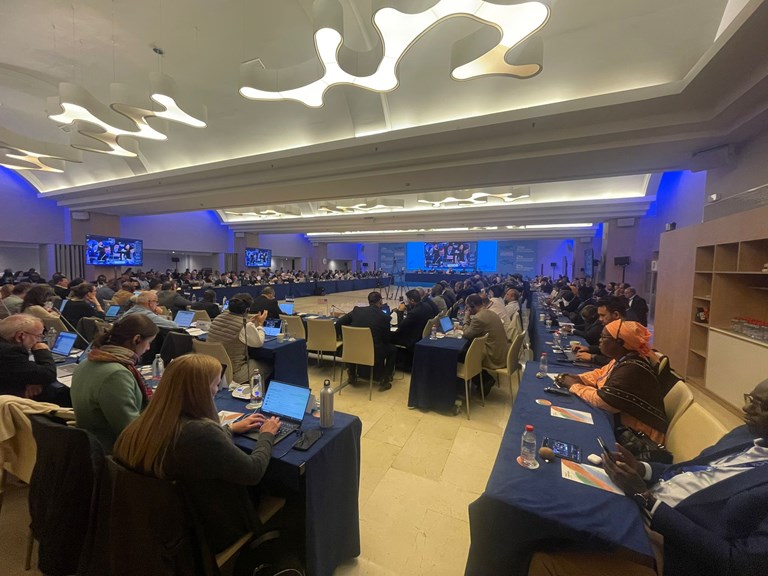
During the 6th Special Session of the Indian Ocean Tuna Commission (IOTC) that took place on February 3-5th in Mombasa, Kenya, a vote validated a new conservation and management measure against drifting Fish Aggregating Devices (DFADs). Out of the total 30 IOTC members countries, only 16 voted in favour of factually banning FAD fisheries in the Indian Ocean. The lack of negotiation and of consensus on such an important decision is having already heavy consequences: Comoros[1], Oman[2] Kenya[3], the previous leader of the proposal, and Somalia[4] already handled their objection to IOTC. Seychelles announced that the country will object as well.
As the meeting was hybrid, in case of a secret ballot, only participants present in the room would be allowed to vote. The proponents of the ban, conveniently asked the vote to be secret, petition which could not be refused according to IOTC’s rules of procedure. Not surprisingly, Oman, that was attending the meeting remotely but was denied the right to vote, has already objected the measure.
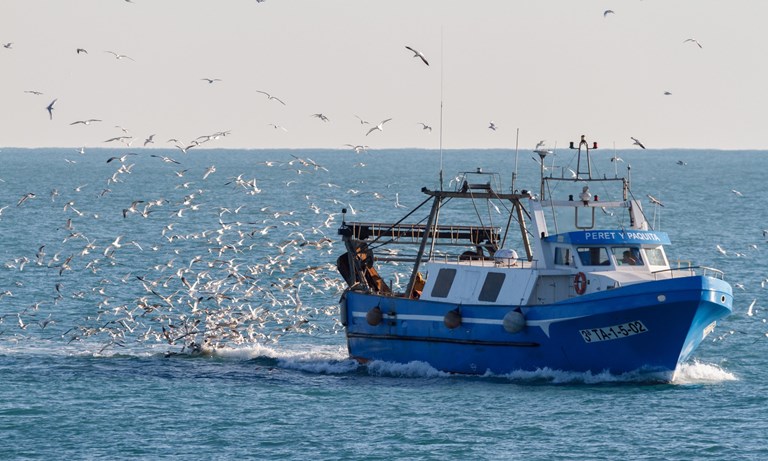
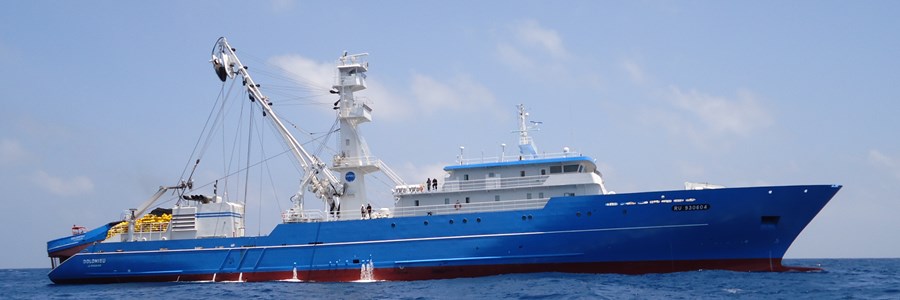
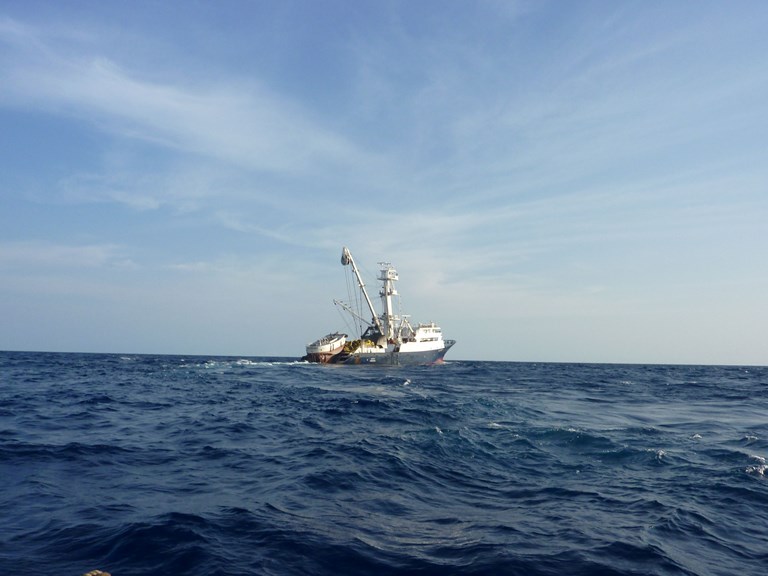
Out of the eleven proponents, none has developed a purse seine fishery, which is the only one targeted by the IOTC decision. The new measure approved not only brings an unfair burden on purse seiners’ flag states, including Seychelles, Mauritius, Oman, Tanzania, Korea, France and Spain, but it also lacks the necessary technical knowledge on the fishery it is supposed to manage. It makes several points of the measure impossible to apply. It is not a question of opposition between developing coastal states and distant water fishing nations, as some present it. Small Island Developing States developed its own purse seine fishery and are benefiting from it. Crushing purse seine fisheries implies damaging Small Island Developing Countries’ economies and destroying thousands of employments generated by the purse seine catch and processing industries. Kenya, in particular states in its objection: “an important component of the development plans that our country has [is] in relation to tuna fishing. We consider that IOTC CPCs should work in a collaborative spirit, looking to adapt the measures by consensus, as a ratification of that cooperative spirit. Forcing a vote has never been on that cooperative spirit that Kenya is trying to promote at IOTC”.
Anne-France Mattlet, director of Europêche Tuna Group, regretted IOTC decision: “This proposal supposedly designed to help rebuilding the yellowfin tuna stock, is partial and biased. First, because it exclusively targets the tuna purse seine fleet which endured hefty effort reductions and can hardly be the sole responsible for this situation. Second, because the proponents refused to base their proposal on any scientific advice while the FAD purse seine fishery is well documented.” In parallel, several of the proponent countries, including Iran, India, Somalia, Indonesia, Madagascar and Pakistan[5], objected a plan for rebuilding the Indian Ocean yellowfin tuna stock in the IOTC area of competence.
Europêche tuna group fully endorses the concern voiced by the International Seafood Sustainability Foundation (ISSF) at the end of the 6th Special Session for “the lack of a shared effort by all IOTC delegations in working together toward the realization of scientific advice. The general breakdown of communication and negotiation that was evident at the IOTC Special Session sets an unwelcome precedent for future meetings and, ultimately, the sustainable use of Indian Ocean tuna fisheries.” Anne-France Mattlet concluded: “For the IOTC not to fall into poor governance, adjusting its course quickly is paramount. We look forward that the IOTC takes advantage of its meeting in May to further work towards consensus on measures that address the impacts of all fisheries on IOTC stocks, including FAD measures that are acceptable to all, especially those countries having purse seine fisheries. Otherwise, IOTC governance will remain highly compromised and credible.”
[1] https://iotc.org/documents/objection-comoros-iotc-resolution-2302
[2] https://iotc.org/documents/objection-oman-iotc-resolution-2302
[3] https://iotc.org/documents/objection-kenya-iotc-resolution-2302
[4] https://iotc.org/documents/objection-somalia-iotc-resolution-2302
[5] Pakistan informed the IOTC that he objected the resolution 21/01 but this is not referenced in the IOTC website.
Press contacts:
Daniel Voces, Managing Director of Europêche: +32 2 230 48 48 daniel.voces@europeche.org
Anne-France Mattlet, Europêche Tuna Group Director: anne-france.mattlet@europeche.org
EP Press Release – Coastal states seriously concerned by IOTC’s vote for a FAD ban