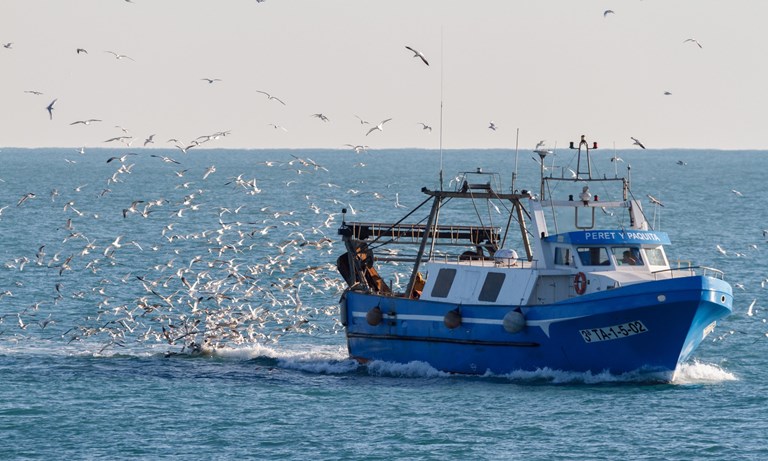
The Commission will soon propose a regulation setting autonomous tariff quotas (ATQs) for certain fishery products for the years 2024 and 2025. The ATQ regulation cover species such as tuna, pollack, hake, shrimps, cod or flatfish, allowing relatively high volumes to be imported from non-EU countries without paying customs duties or at reduced tariffs. In 1992, barely 6 species representing 43,000 tons could be imported with reduced duties. In 2020, more than 15 species representing approximately 830,000 tonnes of fish entered annually the European market at zero duty. In other words, a staggering 1,928 % increase in volume. These seafood imports are benefitting from tax derogations, regardless of their origin, production methods, stock sustainability or compliance with labour standards. Thus, while the EU keeps an open-door policy for seafood imports, it’s bringing the EU fishing sector to its knees with never-ending waves of environmental and control standards.
Europêche does not oppose a rational tariff free setting for certain fishery products that are not sufficiently produced in the EU. However, fish stocks have significantly recovered over the last decade, securing fish supply in Europe, whilst maintaining the highest socio-economic and environmental standards.
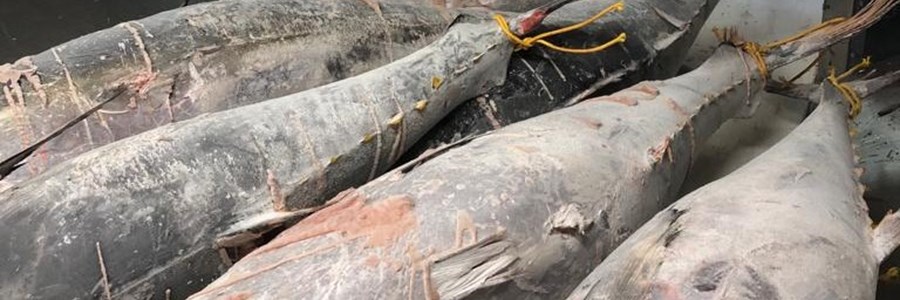
Precisely, several sustainability standards are mandated in trade agreements with third countries to enable the potential for tariff reductions. However, the ATQ system completely ignores the principle of sustainability. Take, for instance, the tuna industry, where a significant portion of tuna loins are imported from Thailand and China at zero duty. These countries however have a well-documented history of engaging in IUU fishing practices and labour abuses. Europêche argues that the sole motivation behind the use of ATQs in this and other cases is to drive down prices which in turn rewards unsustainable practices and results in unfair competition. Consequently, the ATQ system compels the EU catching sector to lower prices and seek alternative markets. It also disrupts links with longstanding partners from African, Caribbean and Pacific States (OACPS) that not only endure discriminatory treatment but also suffer from the loss of valuable market opportunities.
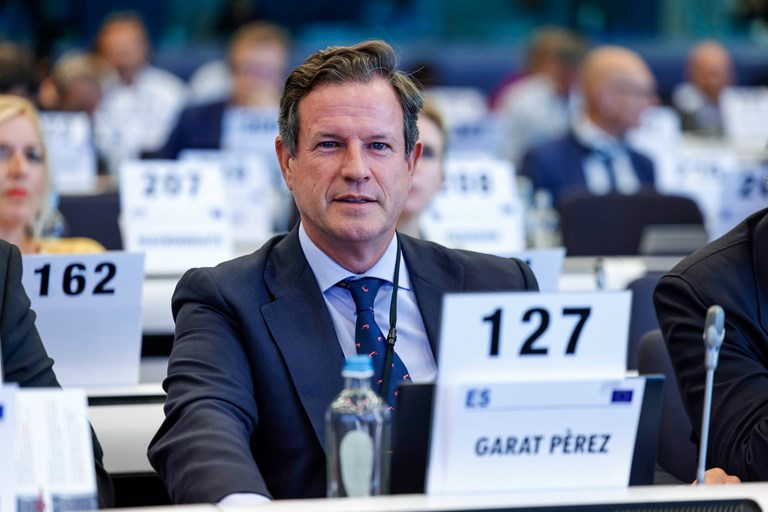
Javier Garat, President of Europêche, declared: “We cannot accept that the EU champions products of dubious origin and fishing conditions while our industry struggle to rapidly adapt to ever-stricter sustainability standards.”
According to Europêche, many of the latest European Commission’s fisheries and environmental policies are grounded on the urgent need to tackle climate change and biodiversity decline. However, the sector wonders why such approach is not being applied to the ATQ system. Mr Garat added: “It is shocking that while the EU fleet is decimating due to geopolitical factors and EU policies, ATQ volumes do not stop to grow. We wonder if the idea is to replace EU production with imports from countries far from EU sustainability standards. Is this the definition of food security pursued by the EU?
The ATQ system does not differentiate between fish originating from any country. For instance, high volumes of Russian pollack and cod receive tax derogations. This raises both political and ethical concerns regarding the continued provision of trade preferences to these fish products, especially considering that the EU has severed ties with Russia and even imposed bans on specific seafood imports into our market. Besides, how can the Commission propose bottom fishing bans in the EU while still supporting large-scale imports from controversial non-EU bottom trawling fisheries?
Mr Garat concluded: “Rewarding those who have done little for fish stock sustainability and fair treatment of people, including those involved in IUU fishing and serious labour abuses, with preferential market access is no longer acceptable. The European market demands nothing less than high standards and expects fleets from all countries to operate with the same level of sustainability as European fleets. This is essential to ensure fair competition within the market.”
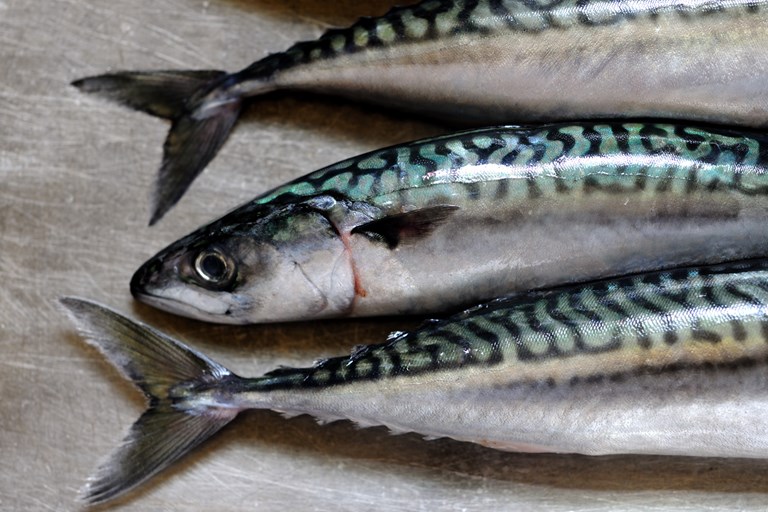
The EU fishing industry urges the Commission to employ the ATQ system to counterbalance unsustainable and irresponsible practices in the Northeast Atlantic, such as those observed by Norway and the Faroe Islands. Their overfishing of Atlantic mackerel and their continuous challenge to the well-established historical rights of the EU fleet whilst demanding higher access to our market necessitate action.
In this context, it is essential for the EU to utilize trade preferences and leverage its market power to safeguard and advance the interests of the EU fishing fleet within the framework of fishing and trade agreements with third countries. By doing so, the EU can protect the sustainability of our waters and ensure fair competition.
Press contacts:
Daniel Voces, Managing Director of Europêche: +32 489 26 81 07 daniel.voces@europeche.org
Anne-France Mattlet, Europêche Tuna Group Director: anne-france.mattlet@europeche.org